
Basement Conversion in Chelsea: RBKC Planning, Conservation Areas and Victorian Properties
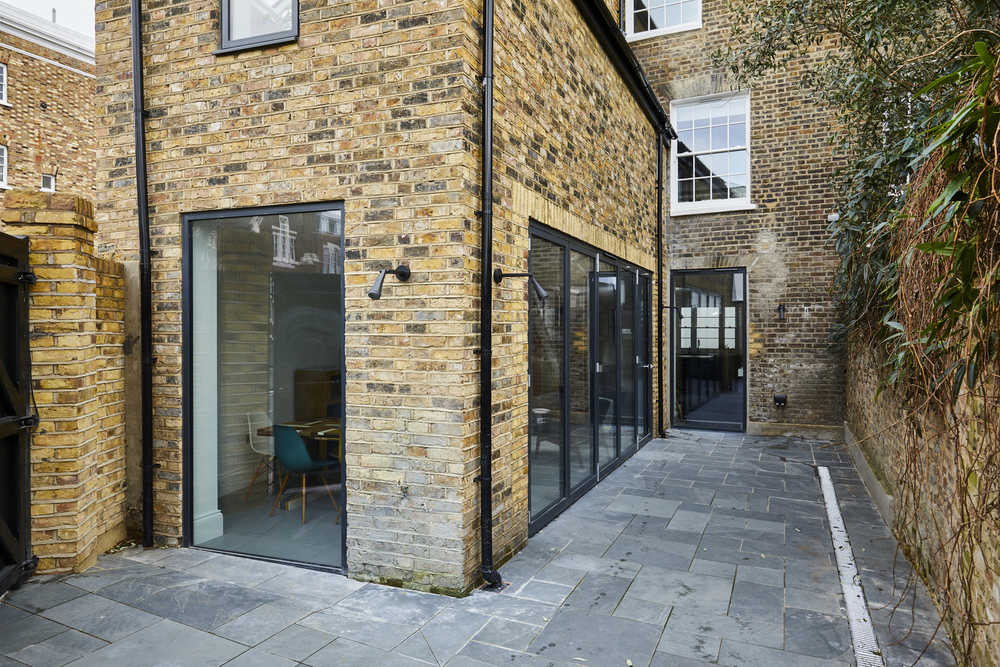
A Local Guide for Homeowners in SW3 and SW10
Chelsea presents unique opportunities and challenges for basement conversions. The borough's Victorian terraces, strict conservation policies and high property values mean that a basement project here requires specialist local knowledge from the outset.
The Royal Borough of Kensington and Chelsea (RBKC) has some of London's most stringent basement development regulations. Following significant community pressure, the council introduced policies that restrict basement size, require detailed impact assessments and demand comprehensive construction management plans.
This guide covers what Chelsea homeowners specifically need to know before starting a basement project, from RBKC planning requirements to the particular considerations for Victorian terraced properties in the area's conservation zones.
RBKC Basement Planning Policies: What Makes Chelsea Different
Unlike many London boroughs, RBKC requires planning permission for virtually all basement developments. An Article 4 Direction introduced in 2016 removed permitted development rights for basements throughout the borough, meaning even works entirely beneath your property's footprint need formal approval.
Key RBKC Basement Restrictions
- Single storey only: Double-depth basements are not permitted in most circumstances. The council banned multi-level 'iceberg' basements following concerns about their impact on neighbours and infrastructure.
- 50% garden rule: Basement extensions under gardens are limited to no more than 50% of the garden area. This is a reduction from the previous 85% limit and aims to protect green space and drainage.
- Basement Impact Assessment required: All applications must include a BIA covering structural methodology, ground conditions, hydrology and potential effects on neighbouring properties.
- Construction Traffic Management Plan: A draft CTMP must be submitted showing how construction traffic, deliveries and soil removal will be managed to minimise disruption.
- Minimum 1m planting depth: Where basements extend under gardens, a minimum 1m soil depth must be retained above for drainage and planting.
Pre-application advice from RBKC is strongly recommended. The council offers formal pre-application meetings where you can discuss your proposals with planning officers before committing to detailed designs. This service has a fee but can save significant time and cost by identifying issues early.
Chelsea Conservation Areas and Basement Development
Almost all of Chelsea falls within designated conservation areas. The Chelsea Conservation Area, Chelsea Park and Carlyle Conservation Area, Cheyne Conservation Area and Royal Hospital Conservation Area cover the majority of residential streets in SW3 and SW10.
Conservation area status does not prevent basement development, but it does influence how external elements must be designed. Lightwells, railings, access stairs and any visible changes to the streetscape require particular care.
Conservation Area Considerations for Basements
- Front lightwells: New lightwells to the front of properties are generally resisted unless they are an established feature of the local streetscape. Many Chelsea streets have original Victorian lightwells which can be retained or restored.
- Rear lightwells: More flexibility exists for rear lightwells, though design, materials and planting must be sensitively handled.
- Railings and metalwork: Any new railings should match the style and materials of existing historic ironwork in the area.
- Heritage statements: Planning applications in conservation areas require a heritage statement explaining how the proposal preserves or enhances the area's character.
Victorian Terraced Properties in Chelsea: Structural Considerations
Chelsea's housing stock is predominantly Victorian, with most terraces dating from the 1860s to 1890s. These properties were typically built with shallow foundations on London clay, without modern damp-proofing and with shared party walls.
Creating a basement beneath a Victorian terrace requires careful structural engineering. The existing foundations must be underpinned in a controlled sequence, temporary support systems installed, and the new basement structure integrated with the original building fabric.
Key Structural Factors
- Party wall agreements: Terraced properties share walls with neighbours on both sides. Party wall notices must be served and agreements reached before work can begin. In Chelsea, where properties are closely spaced, party wall matters are a significant part of the pre-construction process.
- Underpinning sequence: Excavation must follow a carefully planned sequence, typically working in 1.2m sections to avoid destabilising the structure above. A structural engineer should be present on site during critical phases.
- Ground conditions: London clay, which underlies most of Chelsea, is generally suitable for basement construction but requires proper analysis. A geotechnical survey should be conducted early in the design process.
- Existing cellars: Many Victorian Chelsea properties have original coal cellars or servants' areas at lower ground level. Converting or extending these spaces is often simpler than excavating from scratch.
What Can a Chelsea Basement Include?
Subject to planning approval and structural feasibility, Chelsea basements can accommodate a wide range of uses. The lifestyle benefits of additional underground space are particularly valued in an area where extending outward is rarely possible.
Common uses for basement conversions in Chelsea include:
- Open-plan kitchen and dining: Relocating the kitchen to basement level with a rear lightwell or garden access can free up ground floor space for entertaining.
- Home cinema: Basements offer natural sound insulation, making them ideal for media rooms with full acoustic treatment.
- Gym and wellness: Home gyms, steam rooms, saunas and even small swimming pools or plunge pools are achievable with proper waterproofing and ventilation.
- Wine storage: Temperature-controlled wine cellars benefit from the naturally stable conditions underground.
- Guest accommodation: Self-contained guest suites with ensuite bathrooms and separate access.
- Home office or studio: Quiet workspace away from the main living areas.
Modern waterproofing systems, mechanical ventilation and carefully designed lightwells mean that basements can be as bright, dry and comfortable as any above-ground room. The quality of finish is determined by specification and budget, not by the fact that the space is underground.
The Planning and Construction Process in Chelsea
A basement project in Chelsea typically follows this sequence:
1. Feasibility and Design (2-3 months)
Initial surveys, geotechnical investigation, architectural design and structural engineering. This phase determines what is achievable on your specific site.
2. Planning Application (3-4 months)
Preparation of planning documents including Basement Impact Assessment, Construction Traffic Management Plan, heritage statement and design drawings. RBKC typically takes 8-13 weeks to determine applications, though complex cases may take longer.
3. Party Wall and Pre-Construction (2-3 months)
Serving party wall notices, agreeing schedules of condition, finalising construction drawings and appointing contractors.
4. Construction (8-14 months)
Excavation, underpinning, structural works, waterproofing and fit-out. Duration depends on basement size, complexity and site access.
Total timeline from initial enquiry to completion is typically 18-24 months for a full basement conversion in Chelsea. Building in adequate time for planning and party wall processes helps avoid delays once construction begins.
Does a Basement Add Value in Chelsea?
Chelsea is one of the highest-value residential markets in London. Properties here routinely achieve prices of £1,500 to £3,000 per square foot or more. In this context, well-executed basement conversions typically add significant value.
The exact return depends on the quality of the conversion, the uses created and how well the new space integrates with the property overall. A professionally designed basement with good ceiling height, natural light and high-quality finishes will command a premium. A dark, cramped or poorly finished space will not.
Beyond immediate value, a basement can also affect saleability. In the Chelsea market, buyers increasingly expect lifestyle spaces such as media rooms, gyms and wine storage. Properties offering these features may sell more quickly than comparable homes without them.
Basement Conversions in Chelsea with houseUP
We have completed basement conversions across Chelsea, working with Victorian terraces, period townhouses and properties within the borough's conservation areas. Our approach combines structural expertise with an understanding of RBKC's planning requirements.
What we offer:
- Free site visit: We assess your property, discuss your requirements and advise on feasibility before any commitment.
- Design and planning support: We work with architects experienced in RBKC applications to develop proposals that meet planning requirements.
- Structural engineering on site: Our structural engineers oversee critical phases of excavation and construction.
- Party wall management: We handle neighbour communications and party wall processes professionally.
- Quality fit-out: From waterproofing systems to bespoke joinery, we deliver finished spaces that match Chelsea's high standards.
See our Chelsea basement project: Victorian House Renovation Chelsea
Learn more about our basement conversion services: Basement Conversions London
Ready to discuss your Chelsea basement project? Contact us to arrange a free site visit.
Useful Resources
- RBKC Planning Portal: www.rbkc.gov.uk/planning-and-building-control
- RBKC Conservation Area Maps: Conservation area maps
- RBKC Pre-Application Advice: Get planning advice
- Party Wall etc. Act 1996: Government guidance


Gen is managing director and chief of digital strategy at houseUP. She has a background in information security and product management in tech startups.
houseUP is a construction company in London, specialised in high end residential and commercial projects.