
High-End Victorian House Renovation in Chelsea, Kensington & Belgravia
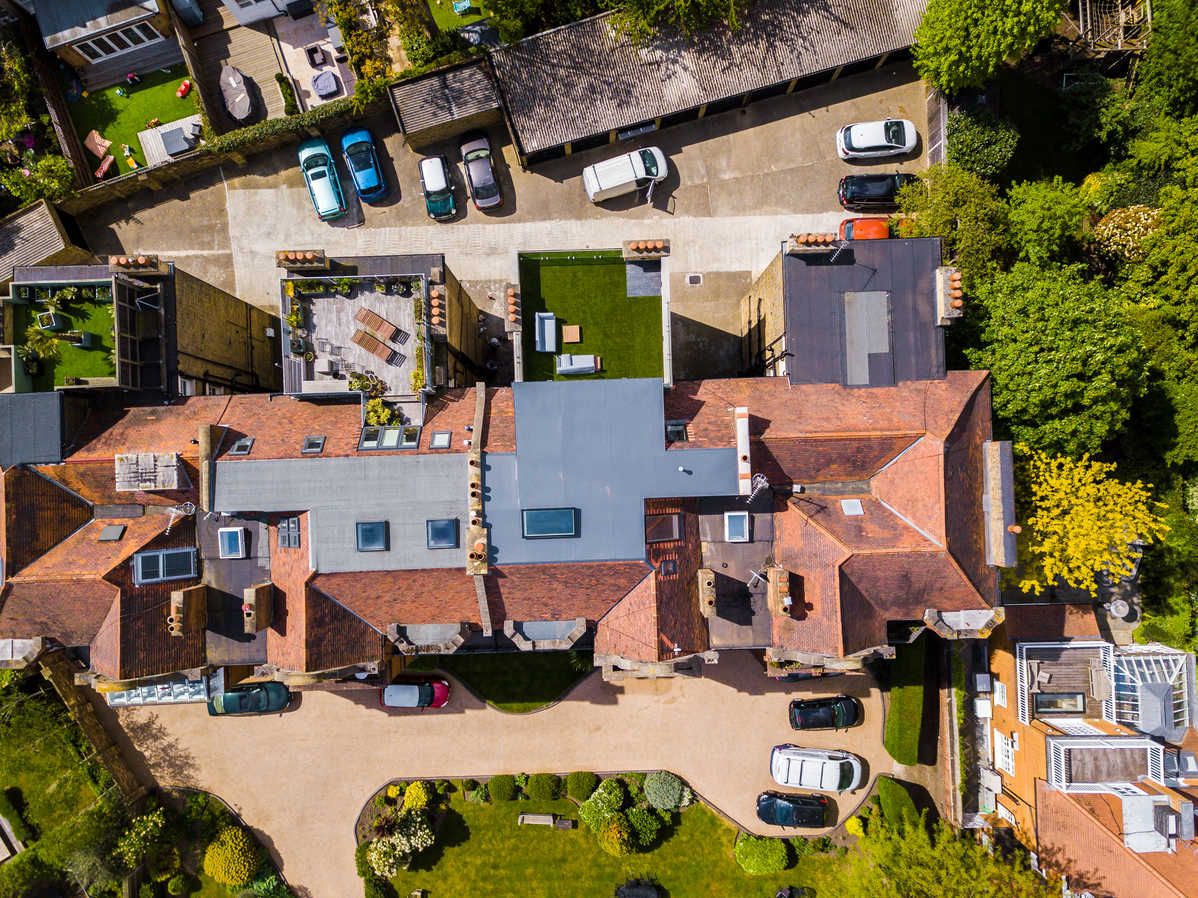
What Every Homeowner Needs to Know Before Investing £500K–£2M+
Renovating a Victorian house in Chelsea, Kensington or Belgravia isn't an easy task. When you're dealing with a multi-million pound property in a conservation area, every decision carries weight-both financially and architecturally.
In a recent project in one of these areas, the owners transformed a tired five-bedroom terrace into a £5 million showpiece. The cost? Around £1.1 million over 11 months.
This is the reality when transforming your Victorian property to high-end standards in west London's most prestigious postcodes. But here's what most renovation guides won't tell you: the difference between a good renovation and a transformative one often comes down to understanding the unique challenges of these iconic properties.
QUICK FACTS: Victorian renovations in Chelsea, Kensington and Belgravia typically cost £3,000–£5,000 per sqm (the upper range heavily depends on client requirements-in high-end renovations, sky is the limit), take 8–14 months, and add 18–25% to property value when done right.
Why Victorian Houses in These Areas Are Different
Walk down any street in Chelsea and you'll see elegant Victorian terraces with their distinctive bay windows. Built between 1840 and 1910, these houses weren't just homes-they were statements of wealth and taste.
But what makes them special today also makes them challenging to renovate:
- Conservation Area Restrictions: Most Chelsea Victorian houses fall within conservation areas, meaning even internal alterations often require approval
- Original Features Worth Preserving: Period cornicing, sash windows, and fireplaces can add £50,000–£150,000 to property value
- Structural Complexities: Solid brick construction, often without damp-proof courses, requiring specialist knowledge
- Party Wall Agreements: Terraced properties mean most projects require party wall agreements with neighbours
"I thought I was just updating the kitchen. It turned out I needed to negotiate with three neighbours, apply for planning permission, and hire a specialist structural engineer." - A recent client
This is typical of what you should know before making any changes.
The Real Cost Breakdown by Area
Here's what nobody tells you at dinner parties: renovation costs vary dramatically even within a two-mile radius. Based on our experience delivering high-end Victorian renovations, here's what the market typically looks like:
Area | Cost Per SQM | Typical Project | Key Factors |
|---|---|---|---|
Chelsea (SW3/SW10) | £3,200–£5,000+ | £500k–£1M+ | Strictest conservation rules, premium finishes expected |
Kensington (SW7) | £3,000–£4,500+ | £450k–£900k | High-end neighbourhood, listed buildings common |
Belgravia (SW1) | £3,500–£5,500+ | £600k–£1.5M+ | Cadogan Estate requirements, highest finish expectations |
Note: These figures are indicative based on our project experience. Every renovation is unique, and costs can vary significantly depending on scope, specification and site conditions.
The premium in Chelsea and Belgravia reflects three factors: stricter planning requirements, higher material costs (suppliers know the postcode), and the expectation of museum-quality finishes.
The Planning Permission Maze
"Do I need planning permission?" This is the first question every homeowner asks. The answer in Chelsea, Kensington and Belgravia is almost always: "Probably, yes."
The Royal Borough of Kensington and Chelsea (RBKC) has some of London's strictest requirements. Here's what typically requires approval:
- Rear extensions over 3 metres (single-storey) or any two-storey extension
- Basement excavations (nearly always require full planning)
- Changes to front elevations in conservation areas
- Material changes to listed buildings (a significant proportion of Belgravia properties)
INSIDER TIP: RBKC's planning approval rate for basement conversions rises significantly when pre-application advice is obtained. We always recommend this step.
Useful Planning Resources
- RBKC Planning Portal: www.rbkc.gov.uk/planning
- Westminster Planning: www.westminster.gov.uk/planning
- Planning Permission Guide: www.planningportal.co.uk
What Makes a Victorian Renovation 'High-End'
There's a vast difference between a "good" renovation and a high-end transformation. Having seen both, the distinction isn't just about spending more money-it's about intelligent investment in the right areas.
Standard vs. High-End: The Key Differences
Element | Standard | High-End |
|---|---|---|
Period Features | Preserve existing cornicing, basic restoration | Commission exact replicas, restore using heritage techniques |
Kitchen | £25k–£45k fitted kitchen | £80k–£180k+ bespoke cabinetry from specialist makers |
Windows | Double-glazed sash windows | Handcrafted timber sash, double glazed or vacuum superslim profile glazing, conservation-approved |
Smart Home | Basic smart thermostat system | Integrated Lutron/Control4, invisible tech |
Bathrooms | £8k–£15k per bathroom | £25k–£60k with natural stone, bespoke vanities |
The high-end difference isn't about flashy fixtures. It's about seamless integration of modern comfort with period authenticity. When done properly, you shouldn't be able to tell where Victorian ends and 2026 begins.
Project Example: Chelsea Victorian Transformation
To illustrate these principles in action, here's a project we completed: a five-bedroom Victorian terrace on a quiet Chelsea street.
Project Scope
- New basement excavation (55 sqm)-wine cellar, cinema room, gym
- Loft conversion creating master suite with ensuite
- 4-metre rear extension with fully glazed elevation
- Complete restoration of period features throughout
- Full rewiring, replumbing, integrated smart home system
Timeline: 11 months | Significant value added through careful specification and execution
The key to this project's success wasn't just the budget-it was the sequencing and specialist knowledge. The basement excavation alone required coordination with three neighbouring properties, structural engineers, and RBKC planning officers over a four-month period before work even began.
Timeline: What to Really Expect
"How long will it take?" is the second most common question after cost. The answer depends on project complexity, but here are realistic timelines based on our experience:
Project Type | Planning | Construction | Total |
|---|---|---|---|
Full house refurbishment (no extension) | Not required | 4–6 months | 4–6 months |
Loft conversion + refurbishment | 2–3 months | 5–7 months | 7–10 months |
Basement conversion only | 3–5 months | 6–9 months | 9–14 months |
Full renovation (basement + loft + extension) | 4–6 months | 9–12 months | 13–18 months |
Worth noting: Add 20–30% to these timelines if working on a listed building or if planning permission gets contested. It can be frustrating, but it's the reality in these postcodes.
Choosing the Right Partner
Here's an uncomfortable truth: the difference between a renovation that transforms value and one that merely updates often comes down to choosing the right building company.
What separates high-end specialists from standard builders:
- Experience with Conservation Requirements: They understand RBKC planning processes inside out
- Specialist Trades Network: Access to heritage plasterers, timber sash window makers, stone masons
- Project Management Excellence: Digital tools, transparent pricing, proactive communication
- Insurance & Credentials: Comprehensive liability coverage and a proven track record
At houseUP, we've completed several high-end Victorian renovations across Chelsea, Kensington and Belgravia. We understand that these aren't just houses-they're heritage properties that deserve specialist care combined with modern innovation.
Learn more about our approach: houseUP Victorian House Renovation
Your Next Steps
If you're seriously considering a high-end Victorian renovation in Chelsea, Kensington or Belgravia, here's your action plan:
- Get a Feasibility Study: Before spending anything significant, invest £2,500–£5,000 in a professional feasibility assessment
- Interview 3–5 Specialists: Look for companies with proven Victorian renovation experience in your specific area
- Visit Completed Projects: Insist on seeing finished work, ideally in similar properties
- Budget Realistically: Add 15–20% contingency for unexpected issues (they always arise)
Want to discuss your specific project? We offer complimentary site visits and feasibility consultations for properties in Chelsea, Kensington and Belgravia.
Contact Us: www.houseup.co.uk/contact
A Victorian house in Chelsea isn't just an investment-it's a piece of London's architectural heritage. Treat it with the respect, expertise and investment it deserves, and it will reward you financially and aesthetically for decades to come.


Vinz is the CEO and co-founder of houseUP. He is a true authority in financial planning and risk management, coming from years of working in financial services and digital payment industries
houseUP is a construction company in London, specialised in high end residential and commercial projects.